

When you’re selling a house, the offer price is only part of the picture. What really matters is how much money you’ll walk away with after the sale is complete.
If you’re considering selling your house for cash in Memphis or elsewhere in Tennessee, you may be wondering whether the buyer will pay the closing costs or whether those expenses will come out of your proceeds.
The answer depends on the buyer, the terms of the agreement, and the costs involved in your particular transaction. Some cash buyers agree to cover certain closing expenses, while others may expect the seller to pay some or all of them.
Before accepting an offer, it’s really worth understanding what closing costs include, which expenses may still be your responsibility, and how to compare offers fairly.
What Are Closing Costs When Selling a House?
Closing Costs are the expenses associated with completing a real estate transaction. They can vary depending on the property, the title company’s requirements, the terms of the sale, and whether there are any outstanding balances or issues that need to be resolved.
Some common closing expenses include:
Title search and examination: The closing company reviews property records to confirm ownership and identify potential issues that could affect the sale.
Title insurance: Depending on the transaction, title insurance may be required or purchased to protect against certain title-related problems. Who pays for the applicable policy depends on the agreement and the circumstances of the sale.
Settlement or closing fees: These are fees charged by the title company, closing attorney, or other professional handling the transaction.
Recording fees: Documents related to the property transfer may need to be recorded with the appropriate government office. Recording fees vary depending on the documents involved.
Property tax adjustments: If property taxes are owed or need to be prorated between the buyer and seller, those amounts may be accounted for at closing.
Mortgage payoff or liens: If you still owe money on the property, the outstanding balance and any applicable payoff charges generally need to be addressed before you receive your remaining proceeds.
Not every transaction includes every expense listed above. The important thing is to understand which costs apply to your sale and who has agreed to pay them.
Who Pays Closing Costs in Tennessee?
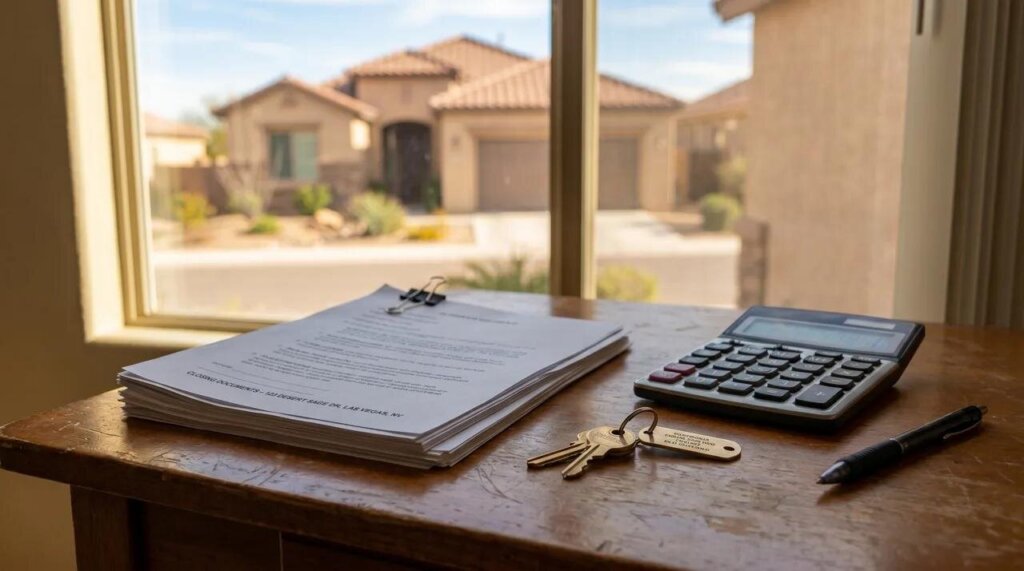
In Tennessee, closing costs can be paid by the buyer, the seller, or both, depending on the type of transaction, applicable requirements, and what the parties agree to in the contract.
When selling to a cash buyer, don’t assume that every company handles closing costs the same way. One buyer may agree to cover certain transaction expenses, while another may structure the offer differently. That’s why it’s important to review the terms instead of focusing on the offer price alone.
Tennessee also has a realty transfer tax that may apply when property ownership changes. If you’re selling your house in Memphis, ask the buyer which closing costs they agree to cover and check with the closing company about any applicable taxes and fees. This can help you understand what to expect before finalizing the sale.
For more information, visit the Tennessee Department of Revenue.
Before accepting an offer, ask the buyer to clarify which closing expenses they will cover and which, if any, will be your responsibility. Getting that information upfront helps prevent surprises when it’s time to sign the paperwork.
A Higher Offer Doesn’t Always Mean More Money in Your Pocket
When comparing cash offers, it’s easy to focus on the largest number; however, the offer price doesn’t always tell the whole story.
Let’s say you receive two offers on your Memphis property.
Offer A
- Purchase price: $100,000
- Closing costs paid by the seller: $3,000
- Remaining amount: $97,000
Offer B
- Purchase price: $97,500
- Closing costs covered by the buyer as agreed
- Remaining amount: $97,500
In this example, Offer B leaves you with $500 more before any other applicable deductions.
These figures are for illustration only. Actual closing expenses and deductions will depend on the property and the terms of the transaction. Remember, Mortgage payoffs, unpaid property taxes, liens, and other outstanding obligations may also affect what you ultimately receive.
The takeaway: compare the amount you can reasonably expect to receive after applicable costs, not just the number at the top of the offer.
What Closing Costs Might Still Be Your Responsibility?
Even when a cash buyer agrees to cover certain closing expenses, that doesn’t automatically mean every amount connected to the property will be paid by the buyer.
There are a few important things to check before moving forward.
1. Your Remaining Mortgage Balance
If you still have a mortgage on the property, the outstanding loan balance generally needs to be paid off as part of the sale.
For example, if you agree to sell your house for $150,000 but still owe $80,000 on your mortgage, that balance will affect how much money you receive. The exact amount will depend on your lender’s payoff statement and any other applicable charges or deductions.
Having a mortgage doesn’t necessarily prevent you from selling to a cash buyer. It simply means the payoff needs to be accounted for during closing.
2. Unpaid Property Taxes
If you owe property taxes, those amounts may need to be settled or accounted for when the property changes hands.
Depending on the timing of the sale and the terms of the agreement, property taxes may also be prorated between the buyer and seller.
If you’re unsure whether you have an outstanding balance, it’s a good idea to check before closing so you know what to expect.
3. Liens or Other Outstanding Obligations
A lien is a legal claim against a property that may need to be resolved before the sale can be completed.
Liens can arise from different circumstances, including unpaid taxes, certain contractor bills, or other debts secured against the property.
If you’re aware of a lien or think there may be an issue with the title, let the closing company know early. They can help identify what needs to be addressed and explain how it may affect the transaction.
4. Repairs and Property Preparation
Traditional home sales can involve expenses for repairs, cleaning, staging, landscaping, or preparing the property for showings.
One reason homeowners consider selling to a cash buyer is that some buyers are willing to purchase houses as-is. This may allow you to avoid making repairs or completing renovations before selling.
At Memfixerupper, we buy houses as-is for cash, so you can explore your selling options without first taking on a renovation project. The specific terms of the sale will depend on your property and the agreement.
Five Questions to Ask Before Accepting a Cash Offer
Before agreeing to sell your house, take a few minutes to clarify the details. These questions can help you understand the offer and avoid unexpected expenses later.
1. Which closing costs will you pay?
Ask the buyer to specify which transaction expenses they agree to cover. Don’t rely on assumptions or a general statement that the sale is a cash transaction.
2. Will any fees be deducted from my proceeds?
Ask whether any agreed-upon expenses will be deducted from the purchase price or your proceeds at closing. You want to understand the financial breakdown before signing.
3. What happens if I still owe money on the property?
If you have a mortgage, unpaid taxes, or a lien, ask how those amounts will be handled. The closing company can help confirm the balances and explain the process.
4. Do I need to make repairs or clean out the house?
If you’re selling an older home, an inherited property, or a house that needs work, find out whether the buyer expects you to make repairs or remove belongings before closing.
An as-is sale may offer more flexibility, but the specific terms should still be confirmed.
5. How much should I expect to receive at closing?
This is one of the most important questions to ask. Request a clear estimate that accounts for the purchase price and any known costs, payoffs, or other deductions.
The final amount may change if balances or expenses differ from the estimates, but understanding the expected proceeds can help you make a more informed decision.
How Selling to a Cash Buyer Can Make Things Simpler
For some Memphis homeowners, selling to a cash buyer can be a practical alternative to listing a property on the traditional market.
A traditional sale may involve preparing the home, arranging showings, negotiating repairs, and waiting for a buyer’s financing to be approved. Depending on the property and the circumstances, that process can take time and involve additional expenses.
A cash sale may offer a more direct process, particularly when the buyer is willing to purchase the property as-is.
At Memfixerupper, we buy houses as-is for cash. That means homeowners can explore selling without first taking on a renovation project or making the property show-ready. Every property and situation is different, so the details of the offer and closing arrangements should be discussed before moving forward.
If you’re dealing with an inherited house, a property that needs repairs, a rental you no longer want to manage, or a home you’re ready to move on from, understanding your options is a good first step.
The goal is to find an arrangement that makes sense for your situation and gives you a clear picture of what to expect.
The Bottom Line: Understand the Costs Before You Accept an Offer
So, do cash buyers pay closing costs in Tennessee?
Sometimes, yes – but it depends on the buyer and the terms of the agreement. Some buyers agree to cover certain closing expenses, while other costs may remain the seller’s responsibility.
Before accepting a cash offer on your Memphis home, make sure you understand which costs apply, whether there are outstanding balances or liens, and how much you can reasonably expect to receive after the sale.
A little clarity upfront can make the closing process easier and help you compare your options with confidence.
If you’re thinking about selling your house in Memphis,Cordova, Bartlett, Millington, Germantown, Lakeland, and surrounding areas, Memfixerupper can help you explore an as-is cash sale and understand the next steps.
Ready to talk about your property? Reach out to Memfixerupper to discuss your situation and see whether a cash offer may be a good fit.
This article is for general informational purposes only and is not legal, tax, or financial advice. Closing costs, tax responsibilities, and transaction requirements vary. Consult the closing company or a qualified professional about your specific situation.